
How to Sell Used Storage Hardware from a Storage Unit
To sell used storage hardware quickly, inventory the drives, servers, and storage arrays in your unit. Check your facility lease before arranging access or pickup. Then secure the hardware, document data sanitization, and get a resale valuation. Set a deadline so another month of rent does not eat into your return.
I’m Mike Haden, founder and director of business development at Innovative IT Solutions. For 14 years, I’ve helped organizations sell used storage and other retired business IT hardware through secure processing, testing, and asset recovery.
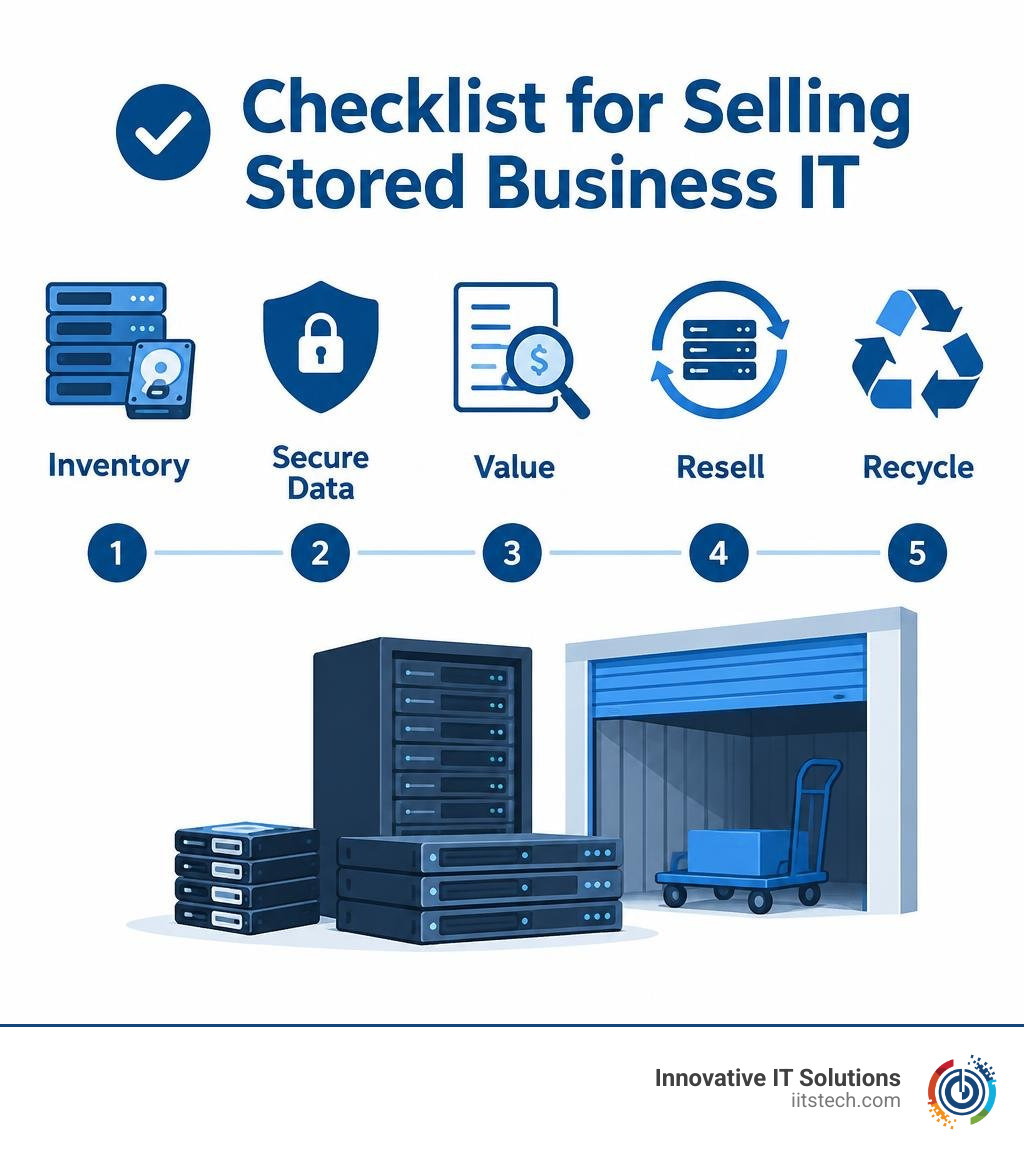
Sell used storage terms to remember:
A 10×20 commercial storage unit can easily cost around $500 per month. When an enterprise downsizes or upgrades its data center, offloading surplus servers, SANs (Storage Area Networks), and NAS (Network Attached Storage) arrays into a rented space often seems like a convenient temporary fix. Yet, letting enterprise hardware gather dust turns an operational asset into a recurring liability. Every month you delay, market depreciation and rental overhead erode your potential return.

Legal Rules, Facility Access, and On-Site Selling Regulations
Before listing any hardware, you must understand the operating rules of your commercial storage facility. While clearing out equipment sounds straightforward, operating an unapproved commercial point of sale from a locker can violate your rental agreement.
Understanding Lease Clauses and Liability
Standard lease terms across most properties—such as local Oklahoma City storage facilities—strictly prohibit running an active retail operation or hosting unauthorized public garage sales on-site. Facilities enforce these policies to maintain security, keep drive aisles clear, and uphold local commercial zoning restrictions.
Key operational factors to keep in mind include:
- Facility Access Hours: Ensure pickups occur strictly during designated gate hours.
- Physical Loading Infrastructure: Moving heavy rackmount servers and drive enclosures requires access to freight elevators or ground-level loading docks.
- Commercial Liability: If a third party enters the premises to inspect equipment and suffers an injury, you could face liability if the visit breached property terms.
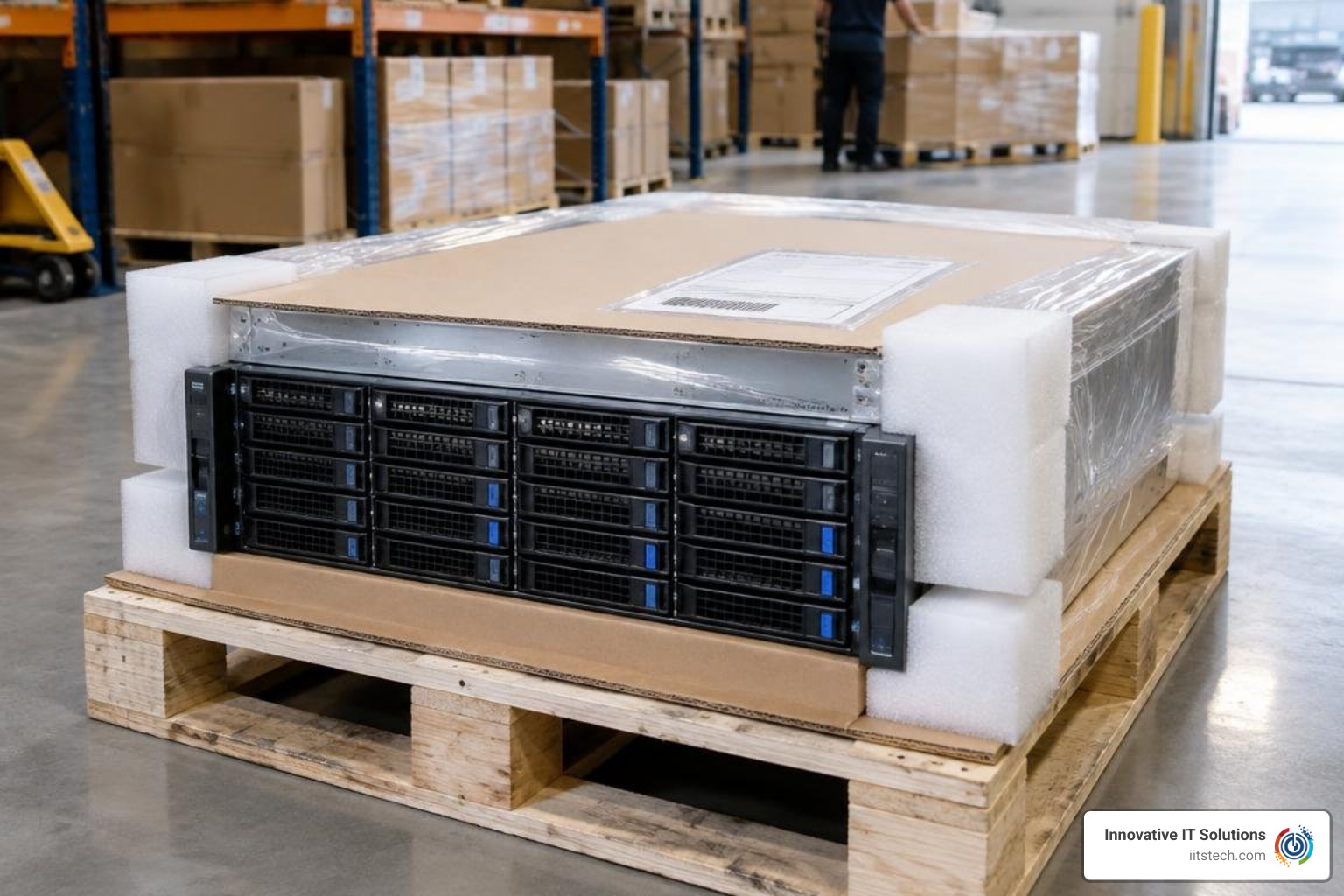
To stay compliant, treat the storage unit solely as a staging area. Pack and palletize your enterprise assets safely, then transport them off-site for inspection, testing, and transfer.
Legal Compliance and Data Security When You Sell Used Storage
Liquidating business hardware is not the same as clearing out everyday household items. Storage drives often hold residual corporate databases, client records, or intellectual property. Simply handing hardware over to an unverified buyer can trigger severe regulatory penalties under data privacy laws such as HIPAA or GDPR.
To protect your organization against liabilities and breaches, follow these protocols:
- Maintain strict chain-of-custody documentation from the locker door to the final processing bench.
- Ensure you have compliant hard drive disposal for businesses in place for drives that fail diagnostics or reach end-of-life status.
- Secure documented certificates of data sanitization for every serialized drive before releasing hardware for secondary resale.
Evaluating, Testing, and Valuing Stored Business Hardware
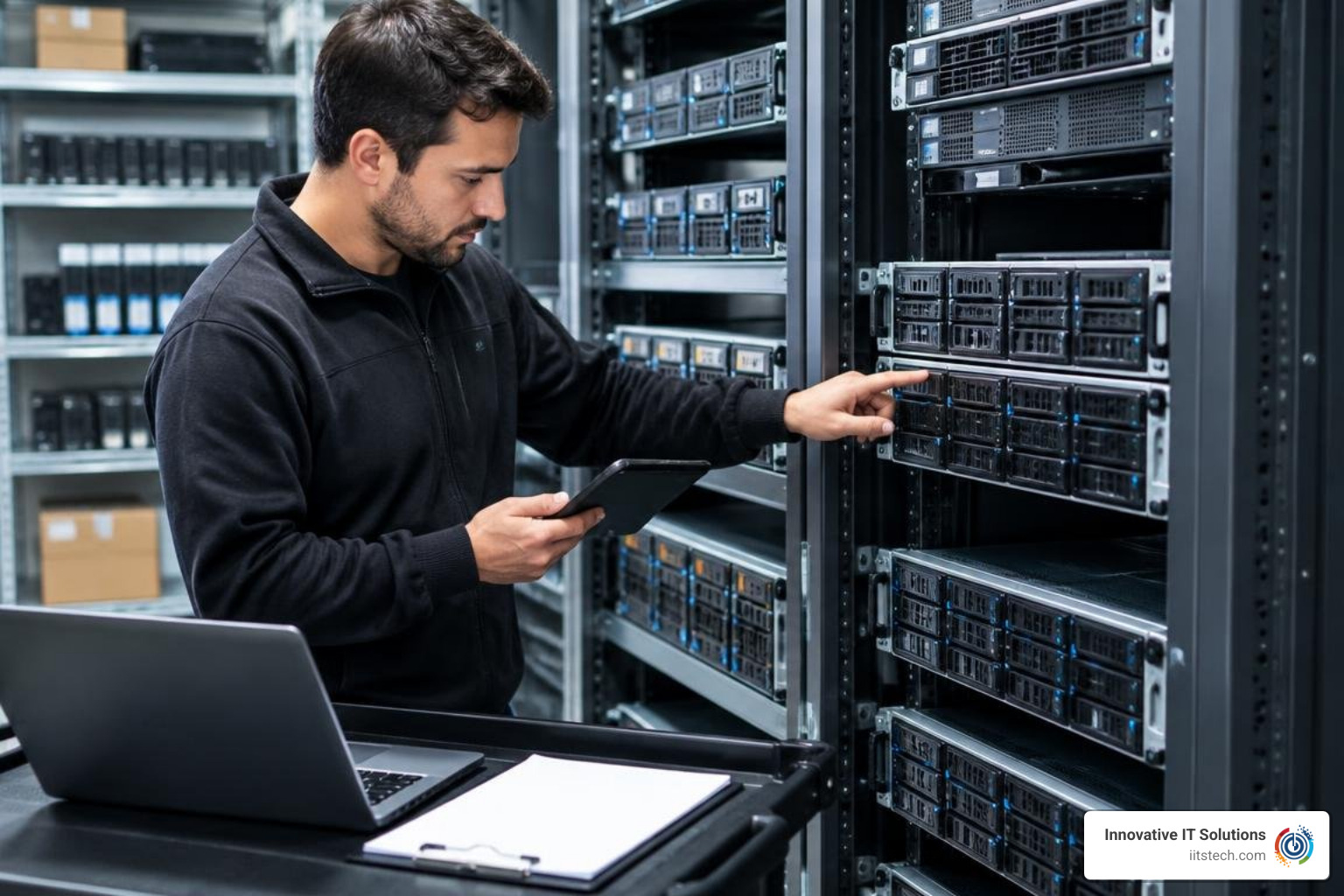
Unlocking real value begins with a clear understanding of what sits on your pallets. Implementing professional asset recovery practices ensures that enterprise hard drives, solid-state media, and disk shelves are evaluated based on health, capacity, and current market demand.
How to Inventory and Sell Used Storage Drives Quickly
Using a structured four-box sorting framework—Resell, Refurbish, Recycle, or Retain—streamlines your inventory management:
- Sort by Interface and Form Factor: Separate high-density enterprise NVMe U.2/U.3 drives, SAS mechanical drives (10K/15K RPM), high-capacity 3.5-inch SATA enterprise drives, and legacy optical media.
- Record Serial Numbers: Document serial numbers, drive models, and exact firmware revisions.
- Segregate Enterprise from Desktop Hardware: Commercial enterprise drives hold significantly higher market resale values than generic consumer-grade components due to their write endurance and multi-drive chassis compatibility.
Reviewing a complete guide to selling IT equipment will help you categorize every component without missing hidden value.
Pricing Enterprise Storage Hardware Against Secondary Market Rates
Enterprise hardware experiences predictable depreciation. In the secondary marketplace, used business-grade storage components typically trade around 25% to 30% of their original enterprise list price, depending on age and operating hours.
To establish competitive pricing:
- Run diagnostic tests to verify Power-On Hours (POH), reallocated sector counts, and overall SMART health metrics.
- Research recent closed transactions on business-to-business hardware exchanges rather than relying on active listing asking prices.
- If your goal is a rapid liquidation to cut off recurring storage unit fees, pricing items 20% to 30% below comparable recent sales will attract verified commercial buyers and clear your inventory quickly.
Proven Channels to Sell Used Storage for Maximum ROI
Choosing where to sell your hardware determines both your net profit and your compliance security.
While public storage unit auctions exist to liquidate abandoned lockers, selling business assets through unvetted channels introduces data risks and lower returns.
Direct Marketplace Sales vs Professional ITAD Liquidation
Direct enterprise platforms offer broad exposure, but managing individual shipments, handling buyer disputes, and packing delicate server components creates operational drag. Partnering with a dedicated IT Asset Disposition (ITAD) provider delivers higher net returns through bulk asset recovery, zero-landfill recycling, and turnkey logistics.
| Channel Type | Payout Speed | Security & Data Compliance | Net ROI Potential | Logistics Effort |
|---|---|---|---|---|
| Specialized ITAD Buyback | Fast (Direct Wire/ACH) | Certified (NIST/DoD compliant) | High (Optimized bulk recovery) | Minimal (Turnkey freight pickup) |
| Direct B2B Marketplaces | Moderate to Slow | Seller’s Responsibility | Moderate (Eaten by listing/shipping fees) | High (Individual packing/testing) |
| Commercial Auction Platforms | Fast | Low (Sold as unverified lots) | Low (Wholesale liquidation rates) | Moderate to High |
Safe Transaction and Meeting Protocols
If you conduct direct B2B transactions:
- Meet only during regular daytime business hours under facility security cameras or inside commercial office lobbies.
- Accept verified electronic business payments (such as ACH or corporate wires) rather than untraceable payment apps or unsecured paper checks.
- Issue a comprehensive bill of sale detailing equipment serial numbers, acknowledged physical condition, and transfer of title.
Certified Sanitization and Sustainable E-Waste Disposition
You must sanitize every piece of storage media prior to secondary resale. Simple operating system formatting does not remove underlying block-level data.
We follow strict protocols aligned with the NIST SP 800-88 Rev. 2 Guidelines for Media Sanitization and DoD 5220.22-M requirements. Ensuring network storage wiping is executed properly allows enterprise SAN and NAS enclosures to enter the secondary market safely.
For complete regulatory protocols, consult our guide to secure data destruction methods.
When drives exhibit bad sectors, physical motor failures, or obsolete capacities that make resale unviable, they must be diverted to EPA-compliant, zero-landfill electronic recycling. Specialized mechanical shredding destroys the platters and NAND flash chips completely, allowing raw base metals to be reclaimed responsibly without harming the environment.
Frequently Asked Questions About Selling Stored IT Hardware
Can I legally sell used storage hardware directly out of my storage unit?
While you own the equipment, most facility leases prohibit conducting active commercial retail sales or hosting unapproved buyers directly out of a storage unit. It is best practice to use your unit strictly for storage and staging, then move items to an approved commercial workspace or partner with an ITAD firm for collection.
What should I do with defective or obsolete storage drives that cannot be resold?
Non-functional or legacy storage media must be routed through EPA-compliant, zero-landfill recycling channels. Physical shredding or degaussing guarantees that sensitive data cannot be recovered, while reclamation programs safely harvest raw metals in full compliance with environmental regulations.
What are the tax implications of liquidating stored business IT equipment?
Liquidating enterprise IT equipment can affect your business balance sheet through asset depreciation recovery or capital losses. Selling retired inventory below its remaining book value often creates an operational tax write-off, whereas selling fully depreciated equipment generates taxable proceeds. Always coordinate with your corporate CPA to document bills of sale and asset retirement forms accurately.
Conclusion
Letting retired servers, enterprise arrays, and storage drives sit in a rented commercial locker quietly drains company capital every billing cycle. By taking inventory, executing verified data sanitization, and working with an established asset recovery partner, you can turn stagnant hardware into immediate operational cash.
At Innovative IT Solutions, our Oklahoma City-based team provides end-to-end ITAD services, NIST-compliant data sanitization, and EPA-compliant recycling. We handle the heavy lifting, documentation, and valuation so your business achieves maximum ROI without legal or logistical headaches.
Ready to clear your commercial storage unit and unlock cash today? Reach out to our asset recovery specialists and sell your gear with complete confidence.


